

Description
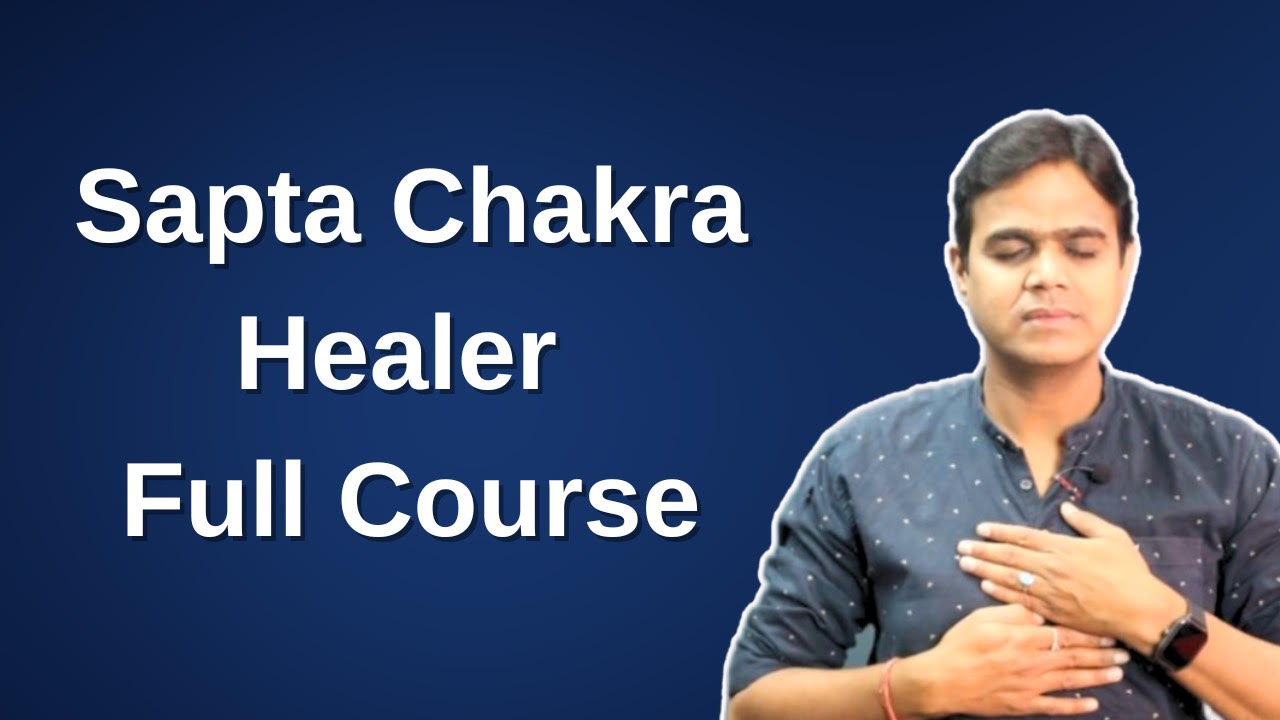
The Sapta Chakra, or the seven chakras, are energy centers in the body according to yogic and spiritual traditions. A course on the Sapta Chakra typically covers the following:
Course Overview
- Introduction to Chakras
- Definition and significance of chakras.
- Historical context in Hindu and Buddhist traditions.
- The Seven Chakras
- Muladhara (Root Chakra): Located at the base of the spine; associated with grounding and stability.
- Svadhisthana (Sacral Chakra): Located in the lower abdomen; linked to creativity and emotions.
- Manipura (Solar Plexus Chakra): Located in the upper abdomen; associated with personal power and confidence.
- Anahata (Heart Chakra): Centered in the chest; connected to love and compassion.
- Vishuddha (Throat Chakra): Located in the throat; related to communication and expression.
- Ajna (Third Eye Chakra): Positioned between the eyebrows; associated with intuition and perception.
- Sahasrara (Crown Chakra): Located at the top of the head; linked to spiritual connection and enlightenment.
- Balancing the Chakras
- Techniques for balancing each chakra, including yoga postures, meditations, and breathing exercises.
- The role of nutrition, crystals, and aromatherapy in chakra healing.
- Practical Applications
- How to incorporate chakra work into daily life.
- Use of affirmations and visualizations for chakra healing.
- Chakra Meditations
- Guided meditations for each chakra.
- Practices to enhance energy flow and awareness.
Course Format
- Duration: Typically ranges from a weekend workshop to several weeks.
- Materials: Course manuals, guided audio meditations, and videos.
- Assessments: May include reflective journaling, practical exercises, and group discussions
Benefits
- Improved emotional balance and well-being.
- Enhanced physical health and vitality.
- Greater self-awareness and spiritual connection.
Reviews
There are no reviews yet.